

Why Winter Wrecks Even the Sturdiest-Looking Pots
Water is patient. It seeps into the tiniest hairline crack, soaks into the porous body of a pot, and then waits. When the temperature drops below zero, that water expands by roughly nine per cent as it turns to ice, and the expansion has to go somewhere. One sharp frost may only nudge things along, but a British winter delivers dozens of freeze-thaw cycles, and each one prises the crack a fraction wider. By February, a pot that looked perfectly sound in October can be splitting down the side.
The compost inside is just as much of a problem. Wet compost in a small pot freezes into a solid block, and as it swells it pushes outwards against the walls from the inside. A pot that stays wet, sits in a saucer of standing water, or faces the worst of the weather without any shelter is asking for trouble. Choosing the right material is the single biggest thing you can do to avoid it.
Materials That Take the Cold in Their Stride
If you want pots that will still be earning their keep in five winters' time, start with these.
- Frost-proof stoneware. Fired at very high temperatures until the clay vitrifies, these pots have almost no porosity left, so there is little space for water to collect. Look for the words "frost-proof" rather than "frost-resistant" on the label — they are not interchangeable. They are heavy, which is a virtue in a windy garden, but bear that in mind if you plan to move them.
- Fibreglass and composite. Lightweight, easy to move into shelter, and largely immune to cracking because the material flexes slightly rather than fracturing. Modern moulded composites can be convincingly textured, and they shrug off frost, UV and the general gloom of a January garden.
- Treated wood. Oak, larch and pressure-treated softwood all cope well, provided they are properly preserved and standing on feet rather than bare earth. Wood moves with the freeze-thaw cycle instead of resisting it. Re-oil or re-treat every couple of years, and check the base — that is where rot begins.
- Cast stone and concrete. Dense, heavy and reliably frost-proof when well made, though check for a smooth, sealed surface. These are the pots you plant once and leave alone.
The Materials That Let You Down
Glazed ceramic and terracotta are beautiful, and both are risky in a hard winter. Terracotta is porous by nature, so it soaks up water like a sponge; only terracotta specifically described as frost-proof has been fired hot enough to survive repeated freezing. Ordinary glazed ceramic cracks where the glaze has crazed or where water has crept behind the glaze and into the clay beneath, causing the surface to flake away from the pot.
Thin plastic does not crack in the same way, but it becomes brittle in cold and shatters at the first knock. If you have inherited pots of either type, treat them as summer residents and move them under cover before the first hard frost.
Size, Drainage and the Details That Matter
A small pot freezes solid far faster than a large one, simply because there is less volume to buffer the cold. As a rough guide, anything under 30cm across is at real risk, and the shallower the pot, the worse the odds. Beyond size, a few practical points make a genuine difference.
- Drainage holes are essential, and they must stay clear. A blocked hole turns any pot into a reservoir.
- Stand pots on feet so water drains freely and the base is not sitting in a puddle or frozen to the ground.
- Empty saucers in winter. They are useful in August and lethal in January.
- Use a loam-based compost with added grit rather than a light peat-free mix alone; it holds its structure when wet and freezes less solidly.
Planting a Display That Earns Its Place in January
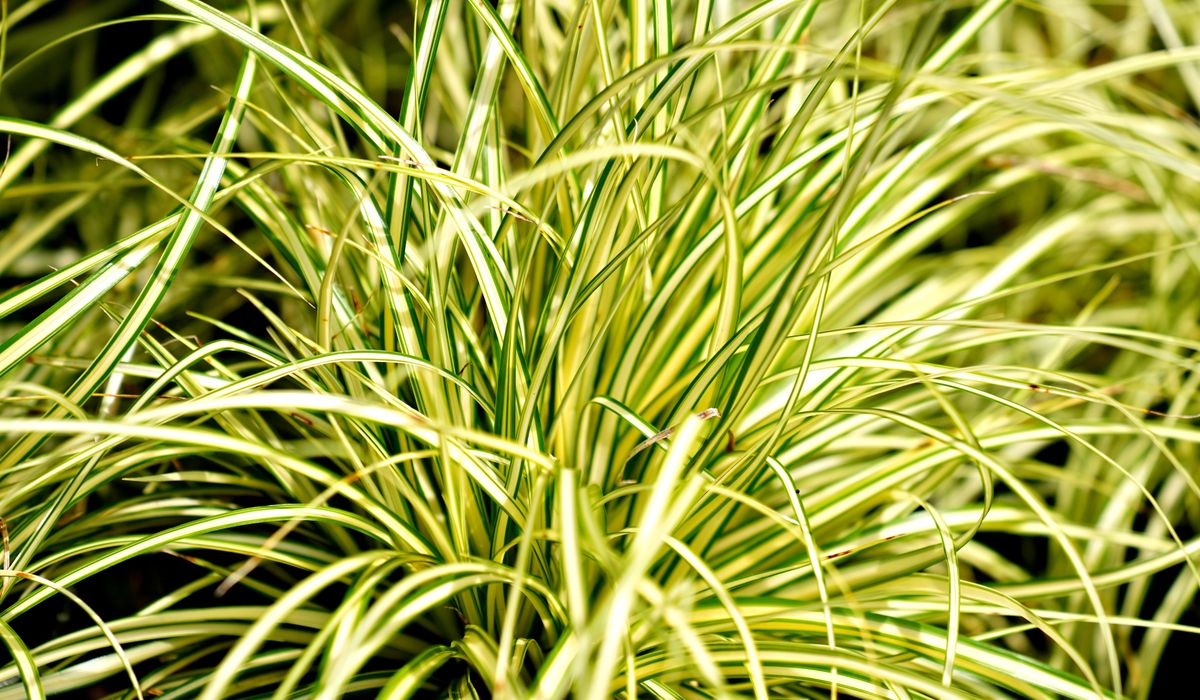
The best frost-proof pot is the one filled with something worth looking at. Hellebores, snowdrops and winter-flowering heather all cope with cold, and skimmia, sarcococca and ivy give evergreen structure with scent or berries. Add a few winter pansies or cyclamen for colour, and underplant with a hardy grass such as carex for movement.
Water sparingly through winter — just enough to stop the compost drying out completely — and never water when the compost is frozen, as the water will simply sit on the surface and freeze around the crown of the plant.
Giving Your Pots a Little Extra Protection
Even the right pot benefits from a bit of care during the coldest spells. Wrap vulnerable containers in bubble wrap, hessian or bracken, secured with twine, and move them against a south-facing wall where the thermal mass of the brickwork offers a degree or two of warmth. Group pots together so they shelter one another. If snow settles on the surface, brush it off rather than letting it sit, and check drainage holes after a thaw. Do that, and your displays will come through to spring ready to be planted up all over again.





John Doe
14 January, 2022Having no content in post should have adverse..
Chauffina Carr
10 April, 2022We use these tests all time! Killer stuff!
Jim Séchen
16 July, 2022Thanks for all the comments, everyone!