

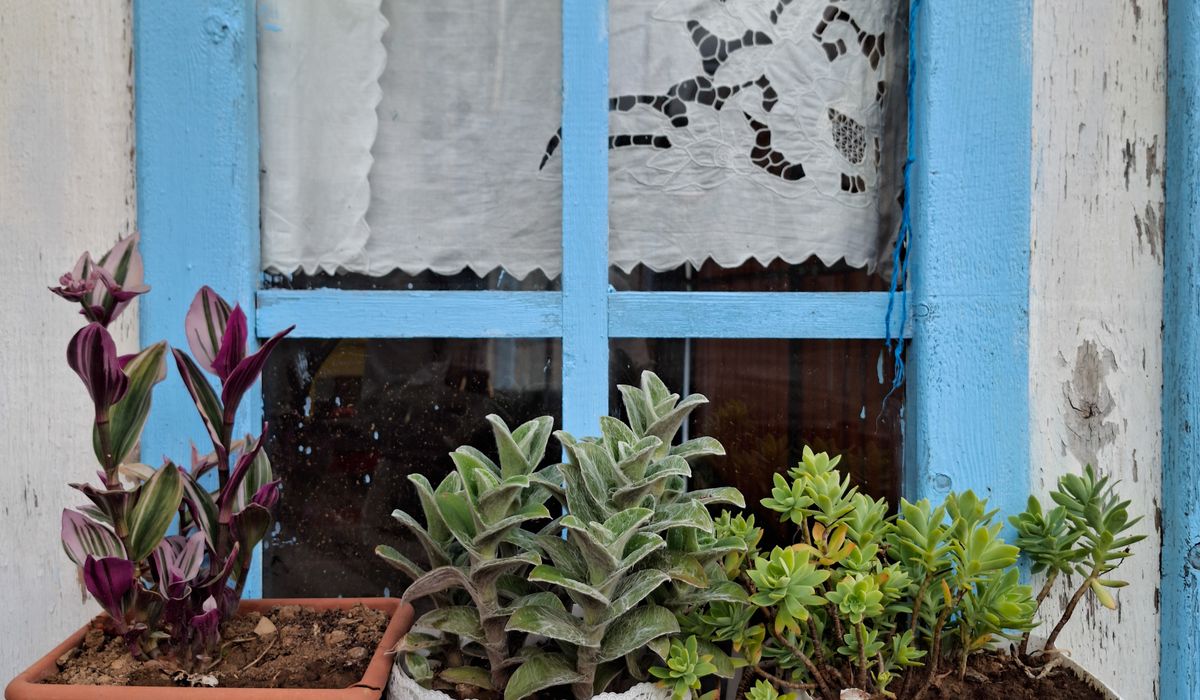
Come December, many gardens look as though they have been switched off. The borders are brown, the pots are soggy, and the only movement is a stray leaf skittering across the lawn. Look a little closer, though, and you will find your plot is still very much in use. Blackbirds are turning over leaf litter, wrens are slipping through the ivy, and tucked into hollow stems and log crevices are dozens of insects waiting out the cold. A wildlife-friendly winter garden rarely needs grand gestures. It needs a light touch, a bit of forward planning, and a willingness to leave some things alone.
Why Winter Is Harder Than It Looks
Cold weather is only part of the challenge. Food that was plentiful in October has gone, daylight is short, and a single frosty night can burn through a small bird's fat reserves. Insects, meanwhile, have largely disappeared from the air, which is why so many garden creatures spend winter hidden away in dormancy.
That makes your garden a series of small lifeboats:
- Birds need reliable food and unfrozen water from dawn onwards.
- Hedgehogs may stir on mild nights and benefit from a sheltered, undisturbed corner.
- Frogs and toads often overwinter in damp leaf piles and compost heaps.
- Solitary bees and ladybirds shelter in hollow plant stems, log piles and dry wall crevices.
Leave the Seedheads Standing
The single kindest thing you can do for wildlife this winter is to delay your big cut-back until late March. Seedheads left standing feed goldfinches, siskins and bullfinches for months, and the stems themselves act as ready-made winter quarters for insects.
Plants worth leaving well alone include teasel, coneflower, sedum, eryngium, fennel, cardoon and Verbena bonariensis. Honesty is another good one: its papery seed pods look lovely rimed with frost and provide food well into the new year. When you do eventually cut back, leave stems at around 20–30cm rather than snipping to ground level — hollow stems are prime nesting sites for solitary bees the following spring.
Fresh Water, Even When It Freezes
Water is the most overlooked element of a winter garden. Birds need to drink, and they also need to bathe to keep their feathers in good insulating order. When every puddle is solid, a shallow dish can be the difference between a bird coping and a bird struggling.
- Use a dish no more than 2–3cm deep, with a few stones or a piece of gravel inside so birds can grip and judge the depth.
- Refresh it each morning with lukewarm water — never boiling.
- Float a small ball or a short twig in it to keep a patch of surface moving and slow the freezing.
- Never add salt, antifreeze or glycerine to melt ice; tip warm water over instead, or lift the ice out.
- Site it in the open, away from lurking cats, and near a prickly shrub birds can dash into.
Build a Log Pile and Let a Corner Go
A log pile is probably the best value shelter you can create. Stack seasoned logs with the bark left on, partly buried in soil or leaf mould, in a spot that stays a little damp and shaded. Within a season it will be colonised by beetles, centipedes, woodlice, fungi and, if you are lucky, a hibernating toad. Add a few hollow canes and it becomes a bee hotel as well.
Beyond the log pile, aim for a general atmosphere of gentle neglect. Leave fallen leaves in a corner, allow ivy to grow and flower before you trim it, let the compost heap sit undisturbed, and leave gaps at the base of fences and hedges so hedgehogs can move through. A small dry stack of stones or bricks gives ladybirds and spiders somewhere to tuck in out of the wind.
Feed the Birds Sensibly
Winter feeding works best when it is reliable. Top up feeders first thing in the morning, when birds are replenishing after the coldest hours, and again in the early afternoon before they roost. High-fat foods are the winter staples: sunflower hearts, suet balls, nyjer and good-quality peanuts.
Ground-feeding species such as blackbirds, song thrushes and robins appreciate windfall apples, soaked raisins and a little suet crumble scattered on a clear patch of ground. Avoid bread, milk and anything salty or mouldy. Clean feeders every couple of weeks with hot soapy water, rinse well, and move them around the garden occasionally to prevent a build-up of disease. A simple bird table with a roof and an overhang keeps food drier and gives smaller birds some cover.
Frost-Hardy Plants That Earn Their Keep
Some plants work quietly all winter long, offering berries, nectar or dense cover exactly when it is scarcest. Choose a mix of evergreens and winter-flowering shrubs, and you will find the garden humming on any mild day.
- Berries: holly, cotoneaster, pyracantha, hawthorn, rowan and crab apple.
- Winter nectar: mahonia, winter honeysuckle, winter jasmine, sarcococca, hellebores, snowdrops and crocus.
- Scented winter colour: Viburnum bodnantense and witch hazel, both lovely against a grey sky.
- Shelter and cover: ivy, yew, laurel and a dense native hedge.
Put these together with standing seedheads, a shallow dish of fresh water and a scruffy corner or two, and your garden will be doing real work through the coldest months — quietly, generously, and with very little asked of you.





John Doe
14 January, 2022Having no content in post should have adverse..
Chauffina Carr
10 April, 2022We use these tests all time! Killer stuff!
Jim Séchen
16 July, 2022Thanks for all the comments, everyone!