

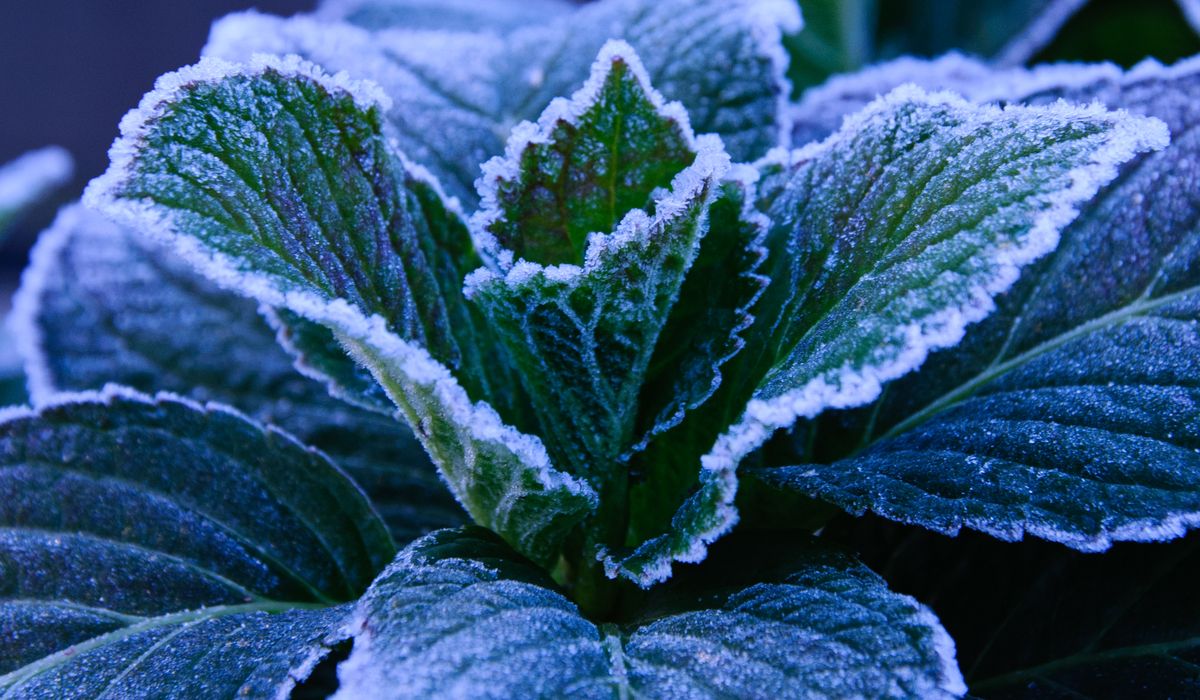
Why fleece is a winter ally – and a hidden hazard
Horticultural fleece is one of the simplest tools in a cold-weather gardener's kit. It traps a thin layer of air around plants, raising temperatures by two to five degrees Celsius and shielding tender foliage from frost, wind and hail. A single layer can mean the difference between a surviving fuchsia and a blackened stump. But fleece is not selective. It blocks everything, including the bees, hoverflies and butterflies that pollinate our crops and flowers. On a mild winter day, a queen bumblebee may emerge from hibernation, hungry and searching for early nectar. If your fleece is still draped over a flowering shrub, she will find a wall of fabric instead of food. Worse, loose fleece can entangle small birds, hedgehogs and frogs, turning a helpful cover into a trap.
Timing is everything: cover late, uncover early
The most important rule is to cover only when the forecast demands it. Check your local weather forecast each afternoon. If temperatures are expected to drop below minus two degrees Celsius, or if a hard frost is due, then cover. Do this in the late afternoon, before the sun sets, so plants are already protected as the temperature falls. Then, crucially, remove the fleece in the morning once the temperature rises above five degrees Celsius. This gives pollinators a window to visit any winter blooms. During a mild spell – several days above eight degrees – leave the fleece off entirely. If you have winter-flowering plants such as hellebores, winter jasmine, snowdrops or mahonia, do not cover them at all. They have evolved to cope with frost and they rely on winter pollinators. A thermometer placed at soil level is a better guide than your own shivering.
Securing edges to prevent wildlife tangles
Loose fleece is a hazard. A flapping edge can catch a bird's leg or a hedgehog's spine. Always weigh down the edges with something solid: stones, bricks, planks of wood or metal ground pegs. If you are covering a row of plants, bury the edges a few centimetres into the soil. For pots, wrap the fleece around the container and tie it with soft string, not wire or thin plastic ties that can cut into skin. If you use hoops or a frame, make sure the fabric is taut and does not dip to the ground where creatures can crawl underneath and become trapped. Check your covers every morning. Gently lift the fleece and look for any wildlife. If you find a frog or a hedgehog, release it carefully in a sheltered spot. A simple habit of a daily check takes a minute and can save lives.
- Use stones or pegs every 30 centimetres along the edge.
- Avoid loose folds that can act as a net.
Choosing the right fleece and using it wisely
Fleece is sold by weight, measured in grams per square metre (gsm). A light 17–30 gsm fleece is enough for a light frost and lets through more light. A heavy 30–50 gsm fleece offers better protection but blocks more sunlight and will certainly exclude pollinators. For most UK gardens, a light fleece is sufficient. If a severe cold snap is forecast, you can double-layer the fleece at night and remove one layer during the day. But do not leave heavy fleece on for weeks. Alternatives exist. Straw, bracken, dry leaves or a thick layer of mulch will protect roots without covering foliage. A cold frame or a cloche with vents can be opened during the day, allowing pollinators in. For pots, move them to a sheltered wall or a porch. And remember: many plants labelled as frost-hardy need no cover at all. Lavender, rosemary, sedum and most native shrubs will shrug off a normal British winter. Only protect what genuinely needs it.
What to do if pollinators are already on the wing
If you see a bee, hoverfly or butterfly while your fleece is in place, remove the cover immediately. Even a brief glimpse of sun can wake an insect, and it will need food. Do not wait for the afternoon. Gently lift the fleece, shake it to dislodge any insects hiding in the folds, and lay it aside. Then step back and let the pollinators do their work. To support them, plant early nectar sources: crocus, hellebore, winter aconite, winter honeysuckle and mahonia. These will feed bees when little else is in bloom. If you must cover a plant that is in flower, do it at dusk and remove it at dawn. That way, you protect the plant from the coldest hours but allow pollinators access during the day. Before you replace the fleece, always check underneath. Ground beetles, centipedes and even small mammals may have taken shelter in the warmth. Lift carefully and let them scuttle away.
A balanced approach for a healthy garden
Cold-weather gardening is about working with nature, not against it. Horticultural fleece is a valuable tool, but it should be a temporary shield, not a permanent blanket. Use it on the coldest nights, secure it well, and remove it as soon as the danger passes. By doing so, you protect your tender plants without shutting out the very creatures that will pollinate your spring and summer blooms. A little vigilance at dawn and dusk will keep both your garden and its wildlife thriving through the frost.






John Doe
14 January, 2022Having no content in post should have adverse..
Chauffina Carr
10 April, 2022We use these tests all time! Killer stuff!
Jim Séchen
16 July, 2022Thanks for all the comments, everyone!