

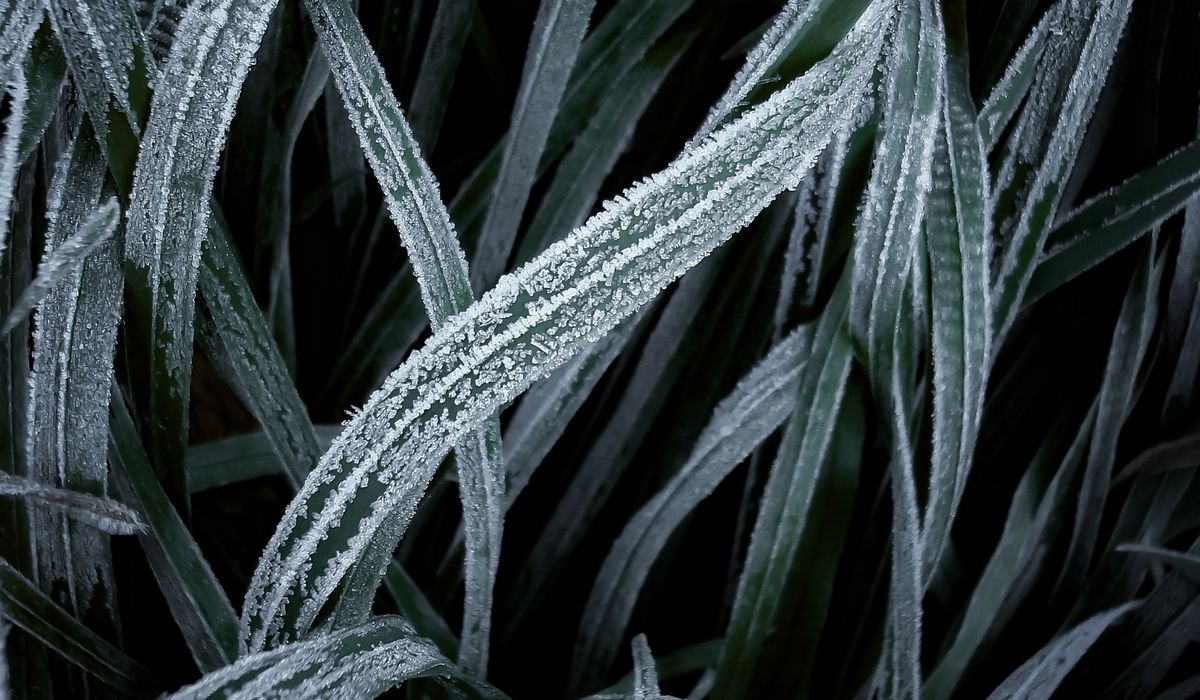
There is a particular pleasure in gardening on a bright, frosty morning. The ground may be hard, but your deciduous shrubs are dormant — and that makes this the perfect moment to reach for the secateurs. Dormant pruning avoids the unsightly bleeding sap that can happen later in the year, and it shapes plants before spring growth begins. Whether you are tending a robust dogwood or a frost-hardy viburnum, a little careful cutting now pays dividends later.
Why Prune While Plants Sleep?
Deciduous shrubs drop their leaves and slow their metabolism in winter. At this time, they are not actively pumping sap, so cuts do not bleed. That is especially important for species like birch, maple, walnut and grape, which can weep heavily if pruned in late winter or early spring. Dormant pruning also lets you see the true shape of the shrub without foliage in the way. You can spot dead wood, crossing branches and weak growth at a glance. Finally, cold weather reduces the risk of fungal spores and bacteria infecting fresh wounds. The plant’s own defences are not active, but neither are many pathogens. For frost-hardy shrubs — those that shrug off a UK winter — this is their quiet season, and they respond well to a tidy-up now.
Timing Is Everything: When to Make Your Cuts
For most deciduous shrubs, late winter is ideal — roughly February to early March, before buds break but after the worst of the frost. A mild, dry day above freezing is best. Avoid pruning during a hard frost, as brittle wood can shatter rather than cut cleanly. There is one big exception: shrubs that flower on old wood, such as lilac, forsythia, and early-flowering spiraea. Prune these immediately after flowering in late spring or early summer. If you cut them now, you remove the flower buds. Summer-flowering shrubs like buddleja, hydrangea paniculata, and caryopteris are different — they flower on new growth, so dormant pruning suits them perfectly. If you are unsure, the rule of thumb is: if it flowers before midsummer, wait; if it flowers after, prune now.
Start with the Three Ds: Dead, Damaged, Diseased
Before you shape anything, remove the obvious problems. Work through your shrub methodically:
- Dead wood — it is brown and brittle inside, with no green layer under the bark. Cut it back to healthy tissue or to the base.
- Damaged branches — those broken by wind, snow or previous accidents. Trim them back to a strong side branch or bud.
- Diseased growth — blackened, cankered or spotted stems. Cut well below the affected area, and clean your tools afterwards with a garden disinfectant or methylated spirits.
This first pass often removes more than you expect. It opens up the centre of the shrub and lets you see what is really going on. Take your time and step back after every few cuts.
Thinning Crowded Branches for Light and Air
Once the three Ds are dealt with, look at the overall structure. Deciduous shrubs benefit from thinning — removing whole branches back to their point of origin. This is different from heading, which just shortens a branch. Thinning lets light and air penetrate the plant, reducing disease and encouraging better flowering. Aim to remove up to a quarter of the oldest, thickest stems at ground level. For multi-stemmed shrubs like dogwood, willow, and physocarpus, this renewal pruning keeps them youthful and vibrant. Cut the oldest stems first, leaving the younger, more vigorous ones to grow. If two branches rub together, remove the weaker one. The goal is a balanced, open framework where every branch has room to breathe.
Making Clean Cuts That Heal Well
A clean cut calluses over quickly; a ragged one invites rot. Always use sharp, bypass secateurs or loppers — anvil types can crush stems. For thicker branches, use a pruning saw. Here is how to cut like a pro:
- Cut just above an outward-facing bud at a slight angle — about 45 degrees — sloping away from the bud.
- For whole branches, cut back to the branch collar (the slight swelling where the branch meets the trunk). Do not leave a long stub, and do not cut flush into the collar.
- Never cut into a bud, and avoid tearing bark by supporting the branch with your free hand as you finish the cut.
- Disinfect blades between shrubs, especially if you have been working on diseased material.
If a cut is larger than a 50p coin, you can leave it unpainted — modern advice says wound paints do more harm than good. The plant will seal it naturally in spring.
Aftercare for Frost-Hardy Shrubs
After pruning, give your shrubs a little TLC. A mulch of well-rotted compost or bark around the base — but not touching the stems — helps retain moisture and suppress weeds. Do not feed until growth resumes in spring; the plant is resting. If a hard frost is forecast right after pruning, you can drape a fleece over vulnerable new cuts, though for most frost-hardy deciduous shrubs this is unnecessary. Watch for waterlogging, which harms roots more than cold. Finally, remember that dormant pruning is a conversation with your garden. You are guiding, not controlling. A few thoughtful cuts now will reward you with a healthier, more beautiful shrub when the warmer days arrive.




John Doe
14 January, 2022Having no content in post should have adverse..
Chauffina Carr
10 April, 2022We use these tests all time! Killer stuff!
Jim Séchen
16 July, 2022Thanks for all the comments, everyone!