

Why evergreens are different
Evergreens hold their leaves all year, so they do not have the same reserves for regrowth as deciduous shrubs. Most keep their dormant buds near the tips of the shoots. Prune lightly and regularly, and they thicken up. Cut hard into the brown, leafless centre, and you can leave a permanent hole. Never cut an evergreen back into old wood unless you know it will reshoot. Yew, box and holly are forgiving. Most conifers, hebe, lavender and ceanothus are not.
Time it right: the two safe windows
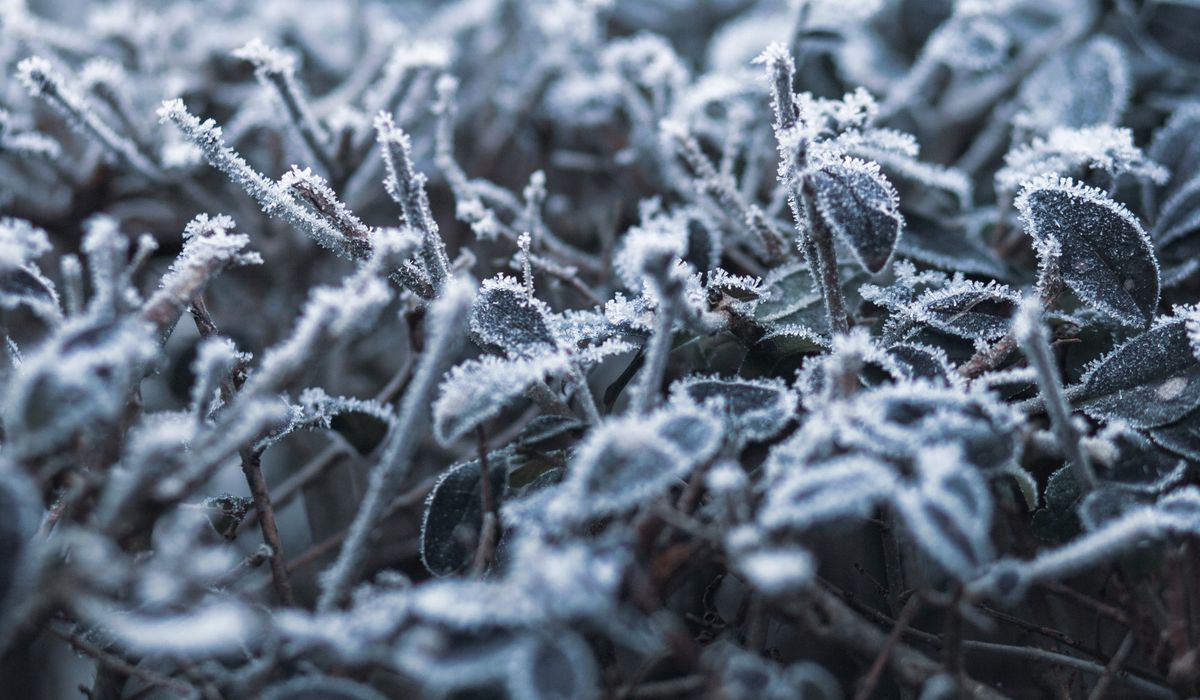
There are two main windows for pruning evergreens in the UK. The first is immediately after flowering, for those that bloom in spring or early summer. The second is early spring, just as growth begins, for conifers and evergreens grown mainly for foliage. Avoid autumn pruning, because soft new growth will not harden off before the first frosts. And avoid pruning during a hard frost altogether.
Frozen wood is brittle, and cut surfaces cannot seal themselves. You get dieback, split bark and an open door for disease. Wait for a mild, dry spell. If the forecast shows -2°C or lower for the next few nights, put the secateurs away.
Flowering evergreens: prune after the blooms fade
Shrubs such as ceanothus, choisya, escallonia, hebe, olearia and osmanthus flower on growth made the previous year. Trim them in winter or early spring and you remove the flower buds, leaving a season of leaves and nothing else. Wait until the flowers have faded, then give them a light trim.
- Ceanothus (Californian lilac): trim after flowering in late spring or early summer. Shorten the flowered shoots by about a third, staying within leafy growth.
- Choisya (Mexican orange blossom): prune after the first flush of white flowers in late spring. A second light trim in late summer is fine in mild areas.
- Hebe: deadhead and lightly shear after flowering. Many hebes resent hard pruning, so stay within the leafy growth.
- Lavender and rosemary: trim after flowering, but never cut back into the leafless, woody base.
If you are unsure, the rule is simple: prune after the flowers, not before.
Conifers and foliage evergreens: early spring, little and often
For conifers and foliage shrubs — yew, box, holly, bay, photinia, pittosporum, griselinia and hedging conifers — the best time is early spring, from late March to mid-April, just as new growth is starting. This gives the plant the whole growing season to heal and cover the cuts.
Trim only the current season's growth. Cut into the old, bare branches of a leyland cypress or a thuja and it will not regrow. Yew and box are the exceptions: they can be cut back hard into old wood and will reshoot, which is why they are so useful for topiary.
- Hedges: trim lightly two or three times through the growing season. Stop by early September so the final cut has time to harden.
- Topiary and cloud-pruned shrubs: little and often. A light trim in May and another in August keeps the shape without stressing the plant.
- Bay and holly: prune in late spring or early summer. Holly can also be trimmed in midwinter if needed, but avoid frost.
Weather rules: frost, sun and sharp tools
Even in the right season, the weather on the day matters. Do not prune when the wood is frozen. Do not prune in the middle of a hot, sunny afternoon, either, because exposed inner leaves can scorch. A mild, overcast morning is ideal.
Keep your secateurs and shears sharp and clean. Blunt blades crush stems, leaving ragged wounds that are slow to heal. For thicker branches, use a pruning saw and make a clean cut just outside the branch collar. After pruning, mulch with garden compost or bark to retain moisture, and water young evergreens in dry spells. Do not feed heavily after a hard prune; soft growth will be vulnerable to frost.
If you have already cut too hard
It happens. You take a hedge back and find you are staring at a bare, brown interior. Do not panic, and do not prune further. Give the plant a season to produce new shoots from the old wood. Some will surprise you — yew, box and holly often do. Others, like most conifers, will not.
If no growth appears by midsummer, leave the bare patch and let surrounding growth gradually cover it, or replace the plant. For hedges, fill a gap with a new plant of the same species, planted slightly forward of the old line. Keep it watered and mulch well.
The lesson is always the same: light, regular pruning at the right time is far kinder to evergreens than a hard cut in the wrong season. Work with the plant's natural growth, and it will reward you with dense, healthy foliage for years.



John Doe
14 January, 2022Having no content in post should have adverse..
Chauffina Carr
10 April, 2022We use these tests all time! Killer stuff!
Jim Séchen
16 July, 2022Thanks for all the comments, everyone!